Friday, January 10, 2020

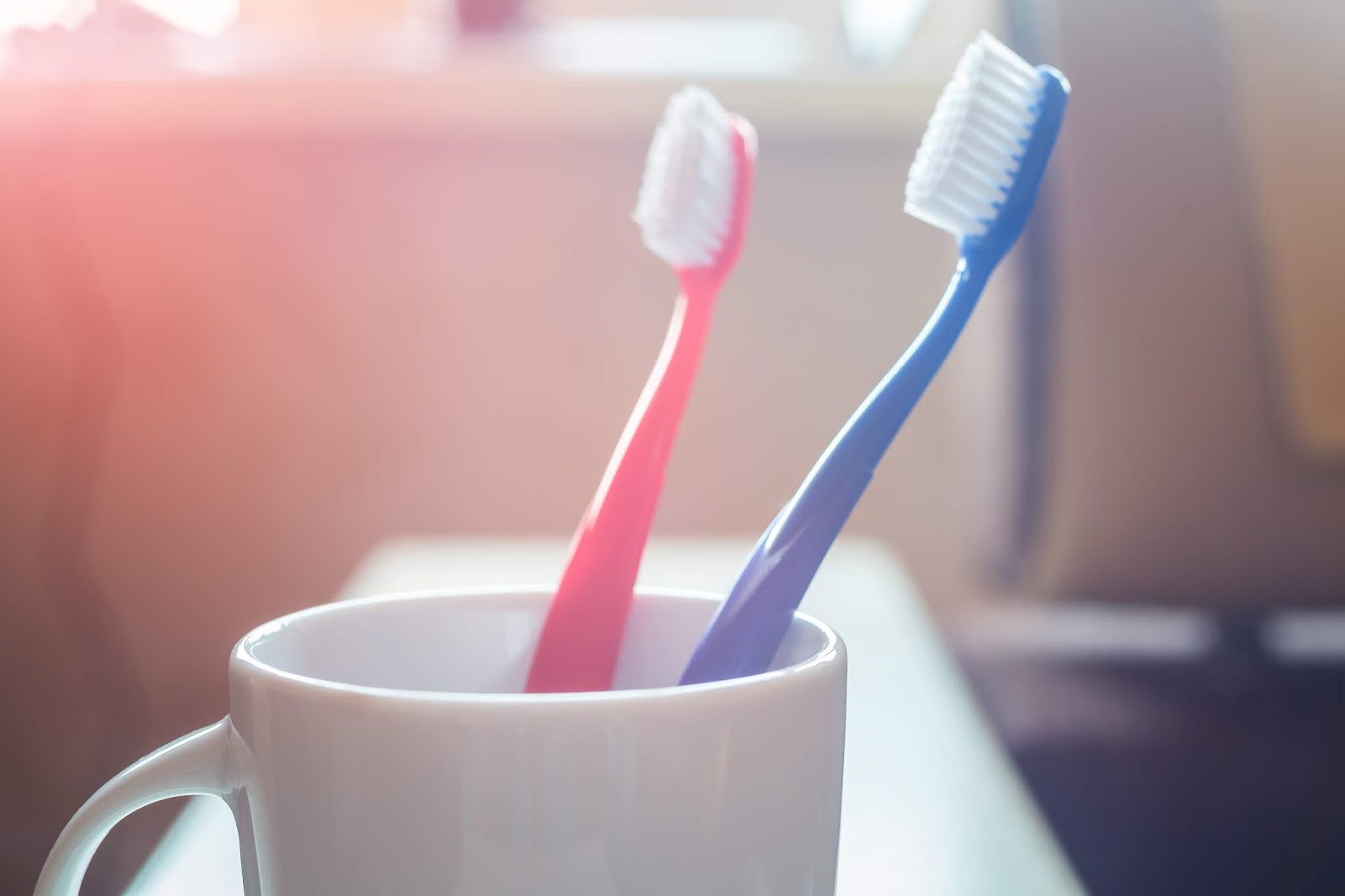
Keep Teeth Happy During Cold & Flu Season!

It is the dreaded cold and flu season, and it seems like everyone is catching a bug. If you have been feeling under the weather, there are several things you can do to help recover more quickly and keep your dental health top notch through your illness. Access Dental and Dentures is the best dentist in the Springfield area, and we care about your health. Read on to learn some great tips from our team!


Avoid Sugary Substances


This may seem like a no-brainer, but it can actually be difficult to avoid added sugar when you’re sick if you’re not careful. A lot of medicines tend to use sugar, or sugar substitutes, to make them taste more pleasant and less bitter. Choose cough drops that are sugar-free and opt for medicine that is delivered in pill form instead of syrup.

Another way extra sugar can sneak into your diet is through juice. Some people like sipping on orange juice because they get tired of water and think juice helps them get over their cold. In reality, juice has quite a bit of extra sugar in it. This extra sugar can not only stick to your teeth and cause damage, but it can also slow your recovery.


Keep Clean!


It can be really easy to slack on good habits when you’re sick. No one feels like standing at the sink brushing their teeth for 2 minutes every morning and night when you also feel like your body has been hit by a truck. However, brushing your teeth twice a day will help remove germs from your mouth and keep them from spreading.

If your illness involves stomach upset and you vomit, make sure to rinse your mouth and spit after each time that you throw up. Vomit can be very acidic due to bile content from your stomach and can cause damage to the enamel on your teeth. Rinsing with mouthwash can also help prevent the growth and spread of bacteria in your mouth.


Stay Hydrated


Rest and drink fluids! That is the advice almost everyone gives to someone that is struggling with a cold. They’re right! Staying hydrated helps decrease bacterial growth and your risk of getting cavities by improving saliva production. Many medications can cause dry mouth, so drinking plenty of water is important during almost any illness.

It’s important to stay hydrated with water. Not only does water have no calories and no sugar, but most tap water also contains fluoride. Fluoride helps strengthen your enamel so that your teeth can hold up to more acid, and damaging substances over time.

Your Oral Health in Southern Missouri


Staying healthy can feel complicated sometimes, but these simple tips could help shorten your illness so you can feel better sooner! Be sure to avoid additional sugar, stick to your regular habits, and stay hydrated to keep your teeth healthy during your cold or flu this season. If you’re experiencing any tooth pain or dental issues, call the best dentists in Southern Missouri - Access Dental and Dentures!


We want to be your dentist because your family deserves a great smile! 

1-877-DENTIST


Visit our Website
Like us on Facebook
Follow us on Twitter
Connect with us on LinkedIn

Friday, January 3, 2020

How Do Popular Diets Affect Dental Health?

It is officially 2020! The New Year can bring a sense of newness to everything and help motivate people to get a fresh start in many areas of their lives. One of the most popular areas is what people eat. Access Dental is the best dentist in the Springfield area, and we care about your health! There are so many popular diets these days, it can be difficult to choose the best one for you. Read on to learn about a few popular diets and cleanses you may have read about, and how they could affect your dental health. (Disclaimer: Before making a drastic change in your daily diet, it is important to always consult with your personal physician first.)


Liquid Cleanses


Some people like to start the new year off with a power punch to their health journey. Liquid and juice diets can be very effective for rapid weight loss, but their merits are often debated in the medical community. It can be difficult to get the nutrients you need from fluids alone, and the loss of fiber and roughage in your diet could cause stomach issues.

A liquid diet could also be harmful to your dental health. Crunchy health foods like carrots and apples can help reduce the buildup of plaque by literally pushing it off your teeth. Liquid diets can also be acidic and high in sugar because juices and smoothies tend to be what dieters grab for first.

Dairy-Free Diets


A few good examples of popular dairy-free diets are Paleo and Whole30. The Paleo diet encourages participants to eat meat, fish, eggs, vegetables, fruits, nuts, seeds, herbs, spices, healthy fats, and oils. People on this diet are also supposed to avoid processed foods, sugar, soft drinks, grains, dairy products, legumes, artificial sweeteners, vegetable oils, margarine, and trans fats. Whole 30 abides by three major rules: No added sugar, no alcohol, no grains, no legumes, and no dairy. Most of these items can be good to avoid, but not always.

Dairy is often considered beneficial for bones and teeth due to its calcium content. Until recently, all dairy was thought to have the same effect on teeth. The Academy of General Dentistry published a study that indicates cheese could have anti-cavity properties. It does this by reducing the level of acidity in your mouth and increasing saliva production (https://www.sciencedaily.com/releases/2013/06/130605130118.htm).


Low Carb Diets


One of the most popular diets in recent years has been the Low-Carb Diet. You may have heard of "Keto", which at its core is a low or no-carb diet. The idea of these diets is to optimize your body to burn fat by reducing or eliminating carbs. This diet could also reduce your folic acid and fiber intake if you are not careful to replace grains with a high volume of leafy greens and beans.

These diets can be detrimental to your oral health because of the elimination of fruits. Fruits are considered carbs on these diets because of their natural sugar content, so they are either not allowed or limited on almost all Low-Carb Diets. But fruits can be helpful to your oral health! Particularly fruits like apples, pears, and watermelon. These fruits have higher water content and cause you to salivate more when eating them. Saliva production is incredibly important to keep your mouth hydrated and free of bacteria. If your choice is between a piece of low-carb pie and an apple, the higher-carb apple may be a healthier choice for your teeth.


Your Local Healthcare Providers


It is very important to consult with your personal physician, and possibly a registered dietician, before making a drastic change in your daily diet. They can help determine what kind of diet would be best for you and your level of health. Maybe a low-cholesterol or anti-inflammatory diet is what you need. Regardless of whether or not you decide to start the year off with a new diet, Access Dental and Dentures is here for all your oral health needs. We are the best dentist in southern Missouri and we look forward to caring for you in 2020!

We want to be your dentist because your family deserves a great smile! 

1-877-DENTIST


Visit our Website
Like us on Facebook
Follow us on Twitter
Connect with us on LinkedIn

Friday, December 27, 2019

Healthy, Achievable New Year's Resolutions for 2020!

Setting New Year's Resolutions can be difficult. You want to choose something that is possible and achievable but that will also challenge you and improve your life or habits in some way. Access Dental and Dentures is the best dentist in the Springfield area and we have the tips to help you choose the resolutions that are right for you! Read on to learn more and choose your favorites.


Stay on Top of Oral Health


Keep your oral health in tip top shape for 2020 and remember your dental care. Make sure you are brushing at least twice a day. This helps remove bad breath in the morning and clean your teeth of bacteria and food particles accumulated throughout the day every night.

It is also a good idea to rinse your mouth after each meal to help free pieces of food from in between your teeth so they aren't sitting there all day and causing damage. Carrying a travel-sized mouthwash could also be very helpful in keeping your teeth clean and fresh all day.

Another really important health habit for your teeth is flossing every day to make sure the hard-to-reach areas between your teeth are clean and stay healthy.


Drink More Water


Water is incredibly important to your health for many reasons. Staying hydrated, maintaining a healthy diet, and keeping your mouth cleaner from bacteria and debris are all health benefits of drinking more water.

Drinking water is fortified by fluoride and other minerals that are helpful to your oral health. Fluoride helps strengthen your enamel. So drink up for a healthier and happier smile!


Choose Healthy Foods


You don't necessarily need to go on a strict cleanse to be a healthy individual. Having a healthy diet is more about balance and making more right choices than wrong choices. Sometimes starting the New Year off with a strict diet can be demoralizing if it doesn't work out. Start out by making healthier choices. Trade the breakfast doughnut for a bowl of fruit and yogurt. The vitamins and protein could help improve your health, and removing that added sugar from your diet makes a big difference for the health of your teeth.

Your Dentist in Southern Missouri


Stay on top of your oral health with simple, achievable New Year's Resolutions and regular checkups at your local dentist's office. Access Dental is the best dentist in southern Missouri and we would love to help you achieve your goals!

We want to be your dentist because your family deserves a great smile! 

1-877-DENTIST


Visit our Website
Like us on Facebook
Follow us on Twitter
Connect with us on LinkedIn

Thursday, December 19, 2019

Washing These 4 Things Can Help Fend Off Germs!

At Access Dental and Dentures, your health is important to us! We help keep your smile happy and healthy with the best dental services in Southern Missouri. Today we have some great tips to help you stay healthy during the winter and prevent the spread of germs and bacteria. Check out our tips below for the four things we think are really important to keep clean.


1) Hands


During cold and flu season, there seem to be signs posted everywhere reminding people to wash their hands to help stay healthy and prevent the spread of germs. They couldn't be more right! Properly and regularly washing your hands can effectively kill germs and prevent bacteria and contagious diseases from spreading. Unfortunately, it is very common for people to either not wash their hands at all, or to simply rinse with water and no soap. According to the Centers for Disease Control and Prevention (CDC), you should wash your hands vigorously for 15-20 seconds with soap and water using five simple steps: wet, lather, scrub, rinse, and dry.

It is important to regularly wash your hands because it is very common to touch your eyes, nose, and mouth. You may think you are more aware of your face-touching tendencies than you are... Get an eyelash stuck in your eye? Nose itching just a bit? Lipstick smudged? Putting your make-up on? There are many reasons throughout the day that may cause someone to touch their face without even thinking about it. If your hands are dirty, then those germs have just made their way to your face and now have an easy route into your body to get you sick.


2) Face


Washing your face is not just important for a beauty routine. Keeping germs and bacteria off of your face is helpful in preventing illness. Your face endures a lot throughout the day: sunscreen, make-up, pollutants in the air, oils from your hands and fingers, food and drink particles around your mouth, puppy kisses, germs from the office phone, your pillowcase, and so much more.

Regularly cleansing your face of the oils, dust, and germs it comes into contact with during the day is important. It prevents bacteria from growing on your skin and helps keep germs away from your eyes, nose, and mouth. It also frees up your pores and allows your skin to repair itself overnight while you sleep.

3) Phone


Take a moment to think about where your phone has been over the last month... desktops at work, the bottom of your purse, back pockets, in the couch crack, and maybe even bathroom countertops. Now think about the last time you thoroughly cleaned the surface of your phone... The thought alone is enough to make you squirm!

Cell phones have been shown in some studies to have ten times more bacteria than most toilet seats (https://www.ncbi.nlm.nih.gov/pmc/articles/PMC5466825/). Gross! Think about all of the places you set your phone down, even for a moment. As your phone goes through its life, it is constantly picking up germs, dust, oils, make-up, and so much more. Keep a microfiber cloth with you to wipe away buildup on a daily basis, and be sure to disinfect your whole phone (take the case off!) with an antibacterial wipe.


4) Toothbrush


Some people assume that their toothbrush is squeaky clean. After all, shouldn't it get cleaned the same time it is cleaning your teeth with all the scrubbing and toothpaste? Unfortunately, the bristles can capture quite a bit of unpleasant substances during use: food particles, blood, saliva contaminated with viruses or bacteria, and more. If your toothbrush sits on the open counter in your bathroom, it could even collect fecal matter from particles released from the toilet.

Keep your toothbrush stored in a cool, dry space as far away from the toilet as possible. Do not keep your toothbrush in a cap or travel holder for long periods of time. The warmth and moisture could accelerate bacterial growth rather than keep your toothbrush safe. Cleaning your toothbrush in boiling water and with anti-bacterial mouthwash could help reduce the amount of bacterial growth and the spread of germs.


Your Oral Health


Access Dental is the best dentist in the Springfield area, and your oral health is our top priority! In addition to these tips to keep your hands, face, phone, and toothbrush clean, we can help keep your teeth and mouth in top condition. Schedule a dental checkup at the location most convenient for you - find the Access Dental nearest you here!

We want to be your dentist because your family deserves a great smile! 

1-877-DENTIST


Visit our Website
Like us on Facebook
Follow us on Twitter
Connect with us on LinkedIn

Friday, December 13, 2019

6 Tips to Prevent and Reduce Bad Breath!

Bad breath isn't just an unpleasant thing you experience in the morning. Persistent bad breath if bad enough can affect relationships, professional opportunities, and confidence! It can cause embarrassment and even frustration for you and those around you. Here at Access Dental and Dentures, we can help you find solutions for bad breath. If you are someone that experiences frequent bad breath, it could be important to take steps to improve it. As the best dentist in the Springfield area, Access Dental had the tips to help you reduce bad breath and feel more confident. Read on to learn more!


1) Brush Twice a Day - or More!

Brushing your teeth twice a day is one of the most important things you can do to keep your oral health and teeth in good condition. Bad breath could indicate that you are not brushing often enough or as thoroughly as you should. If bad breath is a problem for you, it may be a good idea to brush every time you eat a meal. This can help remove any food particles and germs that may grow in your mouth and cause bad odors.

2) Replace Your Toothbrush

Your toothbrush may be the culprit if you experience regular bad breath. As your toothbrush ages and frays, it can start to grow bacteria and create its own bad odors. This is not something you want to be brushing all over your mouth. Gross! Your toothbrush should be replaced approximately every three months. But if you are a more aggressive brusher or buy brands that wear out more quickly, you may want to replace it more often.

3) Floss!

Flossing each day is vital to clean the hard to reach spaces in your mouth. Stuck food pieces may not always come out with your daily brushing, and many toothbrushes cannot reach that space between your teeth. If food particles sit in between your teeth, they can start to smell due to bacterial growth and buildup. To reduce the chance of this, floss at least once a day!


4) Drink Water

Drinking water is not only helpful to your teeth because of the fluoride content, but it can also help flush out bacteria, food pieces, and bad smells. Saliva is also an important factor in keeping your breath fresh and bacteria away. If you are dehydrated, the dryness in your mouth could be allowing bacteria to flourish.

5) Use Mouthwash

Mouthwash is a quick and effective way to freshen your breath. While brushing and flossing can clean your tooth surface and in between, mouthwash can help to clean your entire mouth. For a fresh start to the day, consider adding mouthwash to your daily oral care routine.

6) Scrape Your Tongue

Many times bad breath can be worse in the mornings. Each morning try to scrape your tongue to free any bacteria and other particles from the surface. This can help decrease the bacteria, fungi, and dead cells that cause bad odor in the mouth. Try to scrape off the entire surface of your tongue, for best results.

Your Oral Health


Now that you've hopefully learned a new technique to reduce the occurrence of bad breath, you're ready to make improvements. If you've tried a number of ways to cure your bad breath, it's time to ask for help. During your next visit to the dentist in southern MO, ask our friendly staff for suggestions. We can help you find the right solution for your bad breath issue. Gain confidence in social situations with fresh breath!

We want to be your dentist because your family deserves a great smile! 

1-877-DENTIST


Visit our Website
Like us on Facebook
Follow us on Twitter
Connect with us on LinkedIn

Friday, December 6, 2019

Sensitive Teeth? Learn How to Help!

Sensitive teeth may sound like a minor issue if you've never experienced it before, but it can be a truly excruciating condition. It can affect your daily life as you try to avoid foods that are too hot, too cold, too hard. At Access Dental and Dentures, we understand how painful this can be. As the best dentists in the Springfield area, we also know how to help alleviate the pain and help you get to a happier, more comfortable smile. Read on to learn some of our pro tips on how to deal with sensitive teeth!


Why Do Teeth Get Sensitive? 


Things in Contact with Your Teeth 

Teeth can become too sensitive for a number of reasons. Sometimes it could be something that you are using or eating that is hurting your teeth. If your toothbrush is hard-bristled, it could be putting too much pressure on your gums and could even damage your enamel if you brush aggressively. Whitening agents that you buy over the counter and apply on your own could penetrate the enamel on your teeth and reach the dentin, which is very sensitive. If used improperly, it could even damage the nerves. If you regularly consume acidic foods and drinks, it could erode your tooth enamel and cause pain.

Habits

If you never floss your teeth, food particles and bacteria can build-up between your teeth and on your gum line, causing sensitivity. Plaque and tartar build-up can also make your teeth more sensitive. You could also suffer from jaw and tooth pain if you grind your teeth. Whether it's a bad habit from stress during the day or something you do unconsciously while you sleep, this puts a lot of pressure on your teeth and can result in pain and sensitivity.


Oral Health Conditions

If your teeth are experiencing decay, like cavities, then they will cause a lot of pain any time you eat something with extreme temperatures. A good health routine is important to help prevent decay and resulting sensitivity. Gum disease from left-behind food particles and bacteria can also make your teeth more sensitive to temperature and hard foods.


How to Help Sensitive Teeth

If you are suffering from sensitive teeth, it can feel like an emergency. Who wants to be in pain every time they take a sip of a drink or a bite of food? There are a few ways you can help alleviate this pain, so don't despair! 

Buy the Right Toothbrush

Even though a hard-bristled toothbrush may sound like it cleans your teeth better, it can actually be damaging to your teeth. The additional pressure is bad for sensitive teeth and gums. Buy a toothbrush with soft bristles and in a size that fits your mouth well. 


Special Toothpaste

There are some kinds of toothpaste that are speically-formulated for people with sensitive teeth. They still are able to thoroughly clean your teeth, but the ingredients aren't quite as abrasive so the inflammation in your gums can go down and your teeth won't feel as sensitive. 

Regular Routine

Taking care of your teeth and oral health on a regular schedule is important. If you aren't brushing your teeth or flossing as often as you should, then bacteria can build up and cause inflammation, pain, and sensitivity.

Your Oral Health

If you are ever suffering from tremendous oral pain, it is a good idea to see your local dentist. At Access Dental and Dentures, we are experienced in many different kinds of issues that may come up and we know how to help. Schedule an appointment with us to check your oral health and make sure there are no serious concerns that need to be addressed. We care about you and your dental health!


We want to be your dentist because your family deserves a great smile! 

1-877-DENTIST


Visit our Website
Like us on Facebook
Follow us on Twitter
Connect with us on LinkedIn

Friday, November 29, 2019

The Truth About Gummy Vitamins

Taking vitamins every day is a habit that has been encouraged by health communities for many years. While we aren't debating the merit of taking vitamins, we do think it is important to consider what kind of vitamins you take each day and whether or not they are doing more harm than good. As the best dentists in the Springfield area, Access Dental has the knowledge to help you answer that question! Read on to learn more about vitamin types and what kind could be better for your oral health.


Chewable Children's Vitamins


These vitamins have a fun flair with cartoon character shapes, bright colors, and fruity flavors. These attributes can all be very helpful when trying to entice a young child to take their vitamins. However, children can also have difficulty in efficiently and thoroughly brushing their teeth every day. They are just grown up enough to refuse your help when it comes to brushing teeth, but not quite old enough to handle swallowing large vitamin pills. That means the particles and debris from the vitamins remains stuck between their teeth for long amounts of time. This can cause irritation to their gums or allow bacteria to grow between their teeth from the added sugar in the vitamins.

If you are determined to add supplemental vitamins to your child's diet, or if a doctor has recommended it, then there are ways to help prevent harm to their oral health. When they take their vitamins, give them a glass of water also. Teach them to swish water around in their mouth to free up the vitamin particles and flush them away.


Gummy Vitamins


Who doesn't love feeling like their eating candy while making healthy choices? Even though vitamins can help when someone has a deficiency of some kind, the composition of gummy vitamins in particular can be problematic. Gummy vitamins tend to have a lot of added sugar or sugar alcohols, artificial coloring, gelatin, and corn starch.

None of those ingredients are things that health-conscious people want in their daily diet. And while a vitamin-sized amount may not majorly affect the waistline, it could seriously affect your oral health. The additional sugar combined with the sticky nature of a gummy vitamin can cause problems for your teeth. Particles from the vitamin could easily become wedged between your teeth and cause gum irritation, bacterial growth, and more.


Traditional Vitamins


The traditional vitamins that most people are familiar with can be a great way to supplement the vitamins you receive from your diet. Because they do not sit in your mouth for long periods or get stuck between your teeth, they are the optimal form of vitamin for oral health.

Another great way to get vitamins is by maintaining a healthy, balanced diet full of fruits and veggies that naturally deliver the vitamins and minerals you need. Always consult with your physician before making changes in your dietary and supplement habits.

Your Oral Health


Taking a vitamin every day shows that you are serious about living a healthier lifestyle and that you care about what you put into your body on a daily basis. Taking it just one step further and making sure the vitamins you are taking are good for your total health overall (including your teeth!) is important. For more information on oral health and how you can improve yours, contact the best dentists in the Springfield area - Access Dental and Dentures!


We want to be your dentist because your family deserves a great smile! 

1-877-DENTIST


Visit our Website
Like us on Facebook
Follow us on Twitter
Connect with us on LinkedIn